Blog
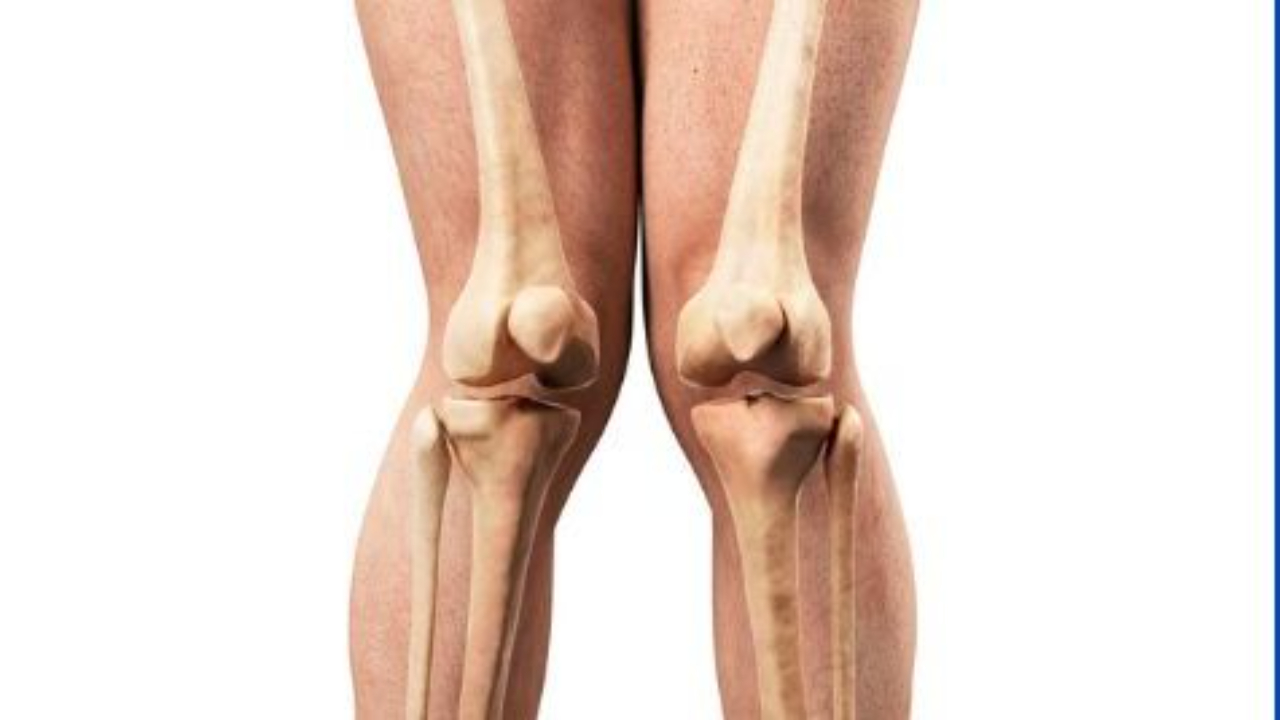
In Part 1, we learned that knees caving inward isn't simply a "bad squat."
It's a movement compensation.
The body has chosen a different movement strategy because it can no longer maintain ideal alignment.
Now it's time to answer the question every NASM student eventually asks:
Which muscles ...
If you've ever watched someone perform an overhead squat, you may have noticed their knees move inward as they descend.
NASM refers to this as knees cave in, one of the most common movement compensations observed during the Overhead Squat Assessment.
For many students preparing for the NASM CPT e...

At this point, you know two important things:
- Why the feet turn out during the Overhead Squat Assessment.
- Which muscles are typically overactive and underactive.
Now comes the final step.
How do you actually use that information?
Whether you're preparing for the NASM CPT exam or assessing ...
Feet Turn Out: The Overactive and Underactive Muscles You Actually Need to Know
If you've already learned why the feet turn out during the Overhead Squat Assessment, you're ready for the next step:
Which muscles are causing it?
This is where many NASM CPT students get overwhelmed.
The textbook ...
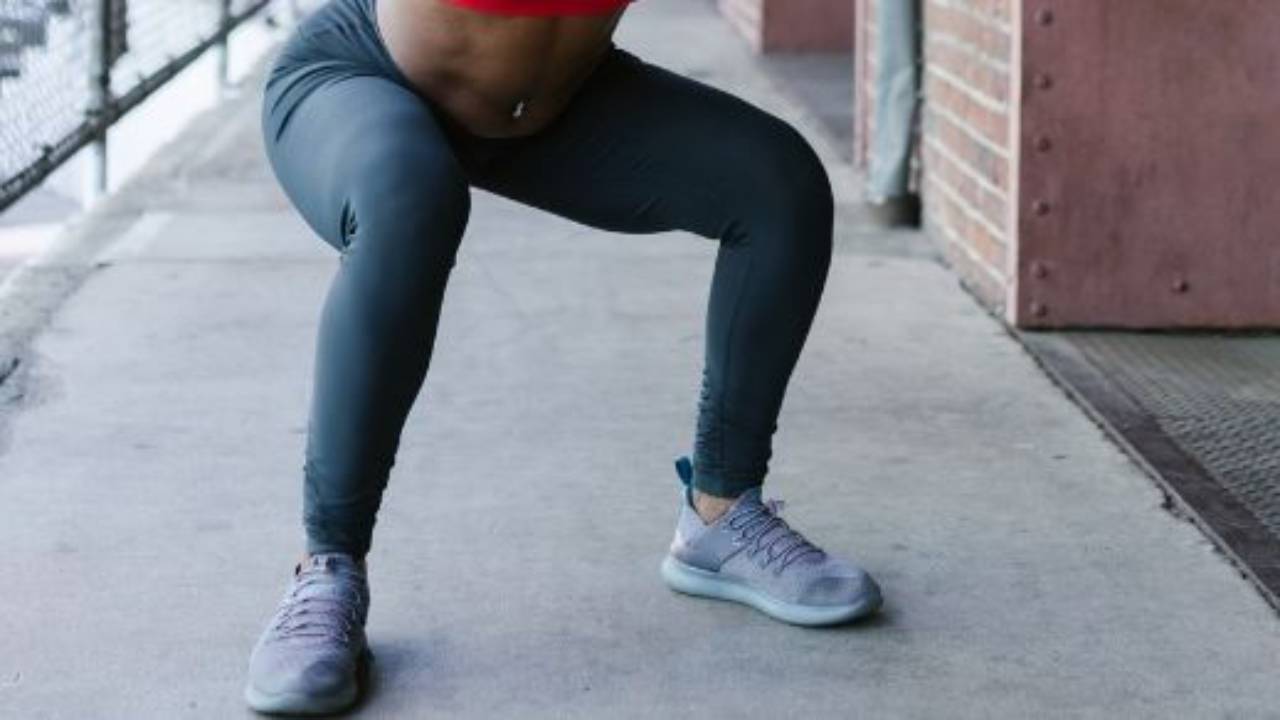
"Feet Turn Out" During the Overhead Squat Assessment
If you've started studying corrective exercise for the NASM CPT exam, you've probably already seen one of the most common movement compensations:
Feet turn out.
At first glance, it seems simple enough. During the Overhead Squat Assessment (OH...
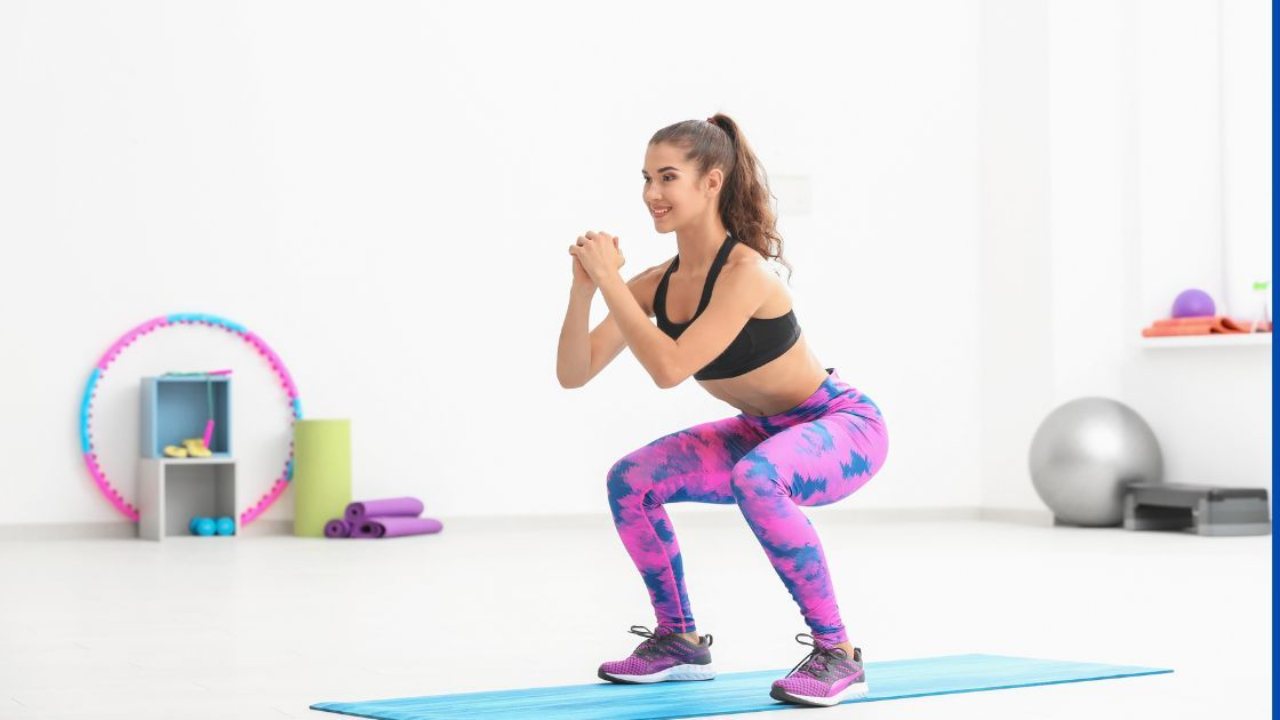
NASM Overhead Squat Assessment Part 2: Learning to Recognize Movement Compensations
In Part 1 of this series, we covered how to perform the NASM Overhead Squat Assessment. You learned the proper client setup, how many repetitions to perform, where to stand during the assessment, and which kinetic ...

The Overhead Squat Assessment: The Foundation of Corrective Exercise
If you're studying for the NASM Certified Personal Trainer (CPT) exam, there are few assessments more important than the Overhead Squat Assessment (OHSA). It is the foundation for identifying muscle imbalances, recognizing moveme...
Why Section 1 Matters More Than Most Students Realize
When most students prepare for the NASM CPT exam, they focus heavily on anatomy, corrective exercise, program design, and the OPT model.
That makes sense.
Those sections are challenging.
The problem is that many students completely overlook S...
Bringing Everything Together
Throughout this series, we've built a complete understanding of corrective exercise.
In Part 1, we discussed:
- Muscle imbalances
- Altered reciprocal inhibition
- Synergistic dominance
- Arthrokinetic dysfunction
In Part 2, we covered:
- Muscle knots
- Adhesions
- Dav...
Why Most NASM Students Struggle With This Topic
Length versus tension is one of the most important concepts in corrective exercise.
Unfortunately, it is also one of the most misunderstood.
Most students memorize:
- Muscle spindle = length
- Golgi tendon organ (GTO) = tension
But they never rea...
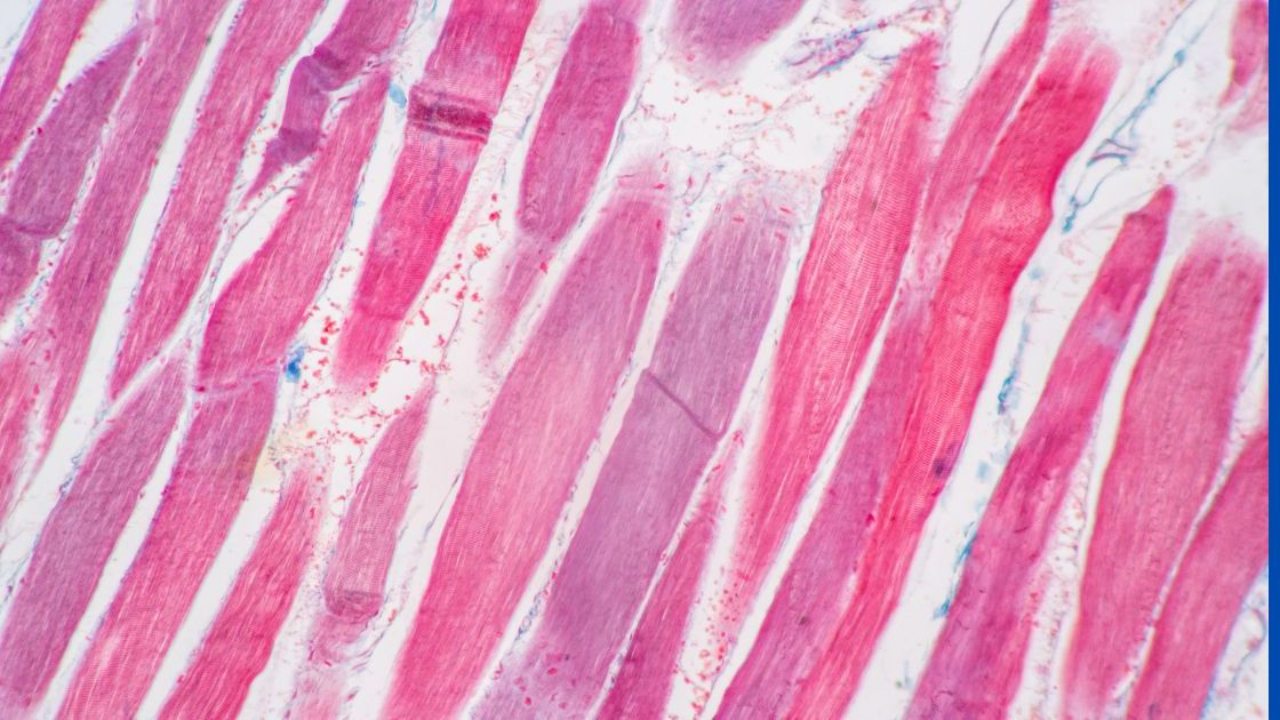
Looking for a description on key terms for the NASM exam? First check out Part 1 in our Reciprocal and Autogenic Inhibition Series!
Why "Muscle Knots" Are One of the Most Misunderstood Topics in Fitness
Almost everyone has experienced what they call a muscle knot.
You feel a tight area in a muscl...

Why This Topic Confuses So Many NASM Students
If there is one area of the NASM CPT curriculum that students consistently struggle with, it is muscle imbalances.
The problem is not that the concepts are particularly difficult. The problem is that most people learn the terminology as four separate d...