
Knees Cave In on the NASM CPT Exam: Common Mistakes, Study Tips, and Real-World Application
Sep 27, 2026By now, you understand two important concepts.
First, you know why the knees cave inward during the Overhead Squat Assessment.
Second, you understand which muscles commonly become overactive and underactive.
Now comes the most important question.
How do you actually use that information?
Whether you're studying for the NASM CPT exam or evaluating a client for the first time, your goal isn't simply to recognize that the knees moved inward.
Your goal is to understand what that movement is telling you.
Missed the First Two Articles?
Before continuing, make sure you've read:
- Part 1: Why the Knees Cave In During the Overhead Squat Assessment (And What It Means)
- Part 2: Knees Cave In: The Overactive and Underactive Muscles You Actually Need to Know
Together, those articles explain both the movement mechanics and the muscle imbalances that make this final step much easier.
Watch the Video First
This article expands on the concepts taught in the accompanying video. Watching the movement in real time makes it much easier to recognize the compensation during both the NASM CPT exam and when assessing clients.
▶︎ Watch: Why Do Knees Cave in During a Squat?
Download the Free Muscle Compensation Chart
As you work through this series, keep the CPT Academy Muscle Compensation Chart nearby. It summarizes the primary overactive and underactive muscles for every major movement compensation and serves as a quick study reference.
⬇︎ Download the Free Muscle Compensation Chart
Learn to See the Pattern
The more assessments you watch, the faster you'll recognize movement compensations.
Instead of focusing on individual joints, train yourself to observe the body as one connected system.
Ask yourself:
- What are the feet doing?
- Where are the knees moving?
- What is happening at the hips?
- Is the torso staying upright?
- Is the low back maintaining a neutral position?
The more pieces of the puzzle you collect, the easier it becomes to understand the movement.
Compensations Often Occur Together
Students sometimes assume they'll only see one compensation during an assessment.
Real people aren't usually that simple.
A client whose knees cave inward may also demonstrate:
- Feet turning out
- Excessive forward lean
- Low back arching
- Arms falling forward
Each compensation provides another clue about how the kinetic chain is functioning.
Rather than trying to identify one "correct" answer, learn to recognize how multiple compensations interact.
Don't Jump Straight to Corrective Exercises
It's tempting to see knees caving inward and immediately prescribe glute strengthening exercises.
Experienced trainers know better.
The movement assessment comes first.
Interpretation comes second.
Program design comes third.
The more information you gather before making decisions, the more effective your corrective exercise program is likely to be.
Think Like a Trainer Instead of a Test-Taker
One of the best ways to improve your NASM exam performance is to stop thinking only about passing the exam.
Instead, imagine a client standing in front of you.
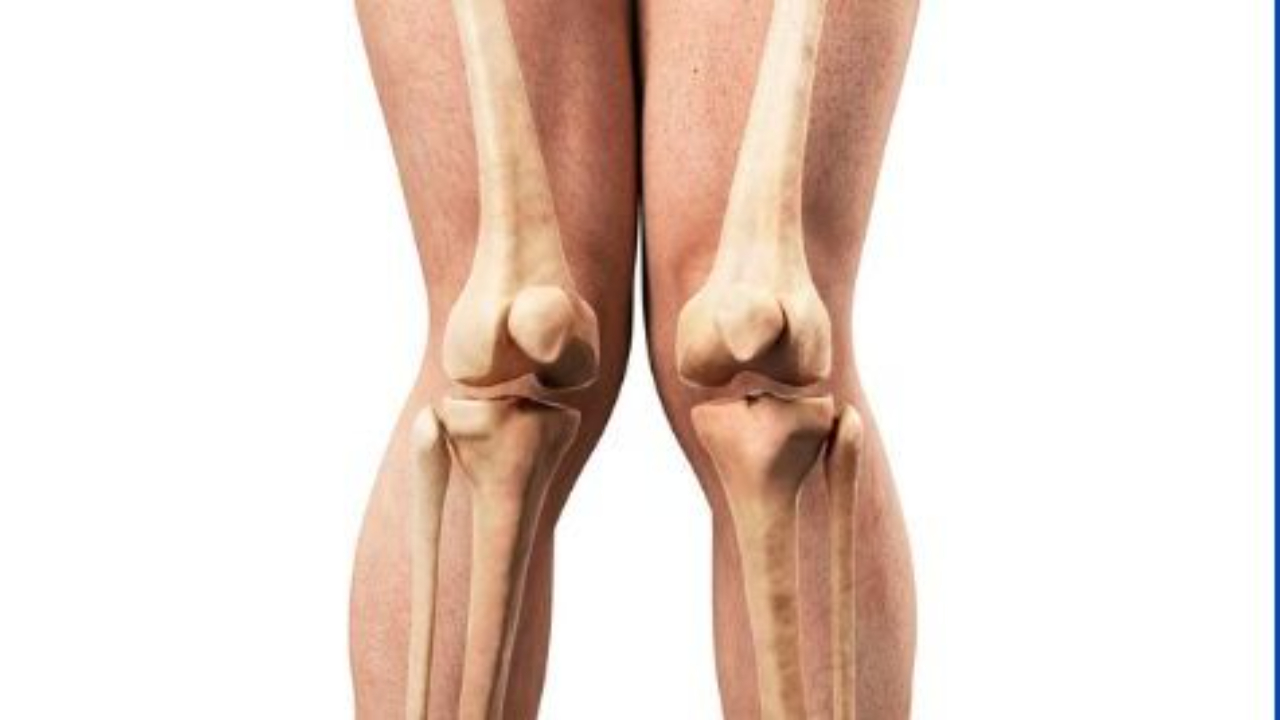
As they squat, their knees begin drifting inward.
Ask yourself:
- Why might this be happening?
- What muscles are probably causing this?
- What other compensations should I look for?
- What additional assessments would help me understand the whole picture?
Ironically, this clinical way of thinking often makes exam questions much easier.
Common NASM Exam Mistakes
Many students lose points because they rush to the muscle table before identifying the movement.
Instead, follow the same sequence every time:
- Identify the compensation.
- Think about why the body chose that movement.
- Picture the muscles creating the movement.
- Then select the most appropriate answer.
This process is much more reliable than trying to memorize dozens of muscle names.
A Better Way to Study
Don't spend all of your study time reading corrective exercise tables.
Instead, pull up videos of people performing overhead squats.
Pause the video.
Identify every compensation you notice.
Then ask yourself:
- What movement compensation do I see?
- Why is the body moving this way?
- Which muscles are probably overactive?
- Which muscles are probably underactive?
Finally, compare your answers with your Muscle Compensation Chart.
This trains the exact reasoning process you'll need during the exam—and later when working with clients.
Practical Trainer Tip
As a new trainer, it's easy to become focused on fixing the knees because that's where the compensation is most obvious.
Remember that the knees are often responding to what's happening above and below them.
Observe the entire movement before deciding where to focus your corrective exercise strategy.
The better your assessment, the more effective your program design will be.
Key Takeaways
- Knees caving inward is one clue—not a diagnosis.
- Always evaluate the entire kinetic chain during the Overhead Squat Assessment.
- Multiple movement compensations often occur together.
- Identify the movement before thinking about the muscles.
- Practice reasoning through movement patterns instead of memorizing muscle charts.
Continue Your NASM Movement Assessment Series
You've now learned:
- Why the knees cave inward
- Which muscles are commonly involved
- How to apply that information on the NASM CPT exam and with real clients
Next, we'll move to another common Overhead Squat Assessment compensation:
You'll see how the same step-by-step reasoning process can help you understand another movement pattern without relying on memorization.
Previous Articles, in case you missed them:
- Overhead Squat Assessment walkthrough
- Feet Turn Out series
Download Your Free Study Resources
📄 Download the FREE Muscle Compensation Chart to reinforce every movement compensation covered in this series.
🎥 Watch the Complete Muscle Imbalance Playlist for video demonstrations of each compensation.
📝 Continue to Low Back Arches - Part 1 to learn how this leads to overactive and underactive muscles (and how to easily memorize them)!
🧪 Take the FREE NASM Practice Test to assess your understanding of corrective exercise and movement assessments.
🎓 Need More Help Preparing for the NASM CPT Exam? Explore the complete CPT Academy Prep Course for in-depth video instruction, quizzes, and guided study resources.
Don't miss a beat!
New moves, motivation, and classes delivered to your inbox.
We hate SPAM. We will never sell your information, for any reason.
Author