
Understanding Planes of Motion for NASM CPT Success (Biomechanics Made Simple!)
Mar 28, 2026Understanding Planes of Motion for NASM CPT Success
If you’re preparing for the National Academy of Sports Medicine Certified Personal Trainer (CPT) exam, biomechanics can feel like one of the more technical (and honestly, intimidating) sections. But here’s the good news: once you understand the foundations, everything starts to click—especially when it comes to planes of motion.
This article breaks it down in a simple, practical way so you can confidently apply it both on the exam and in real-world training.
What Is Biomechanics (and Why It Matters)?
Before we jump into planes of motion, let’s quickly define biomechanics.
Biomechanics = how forces interact within a living body.
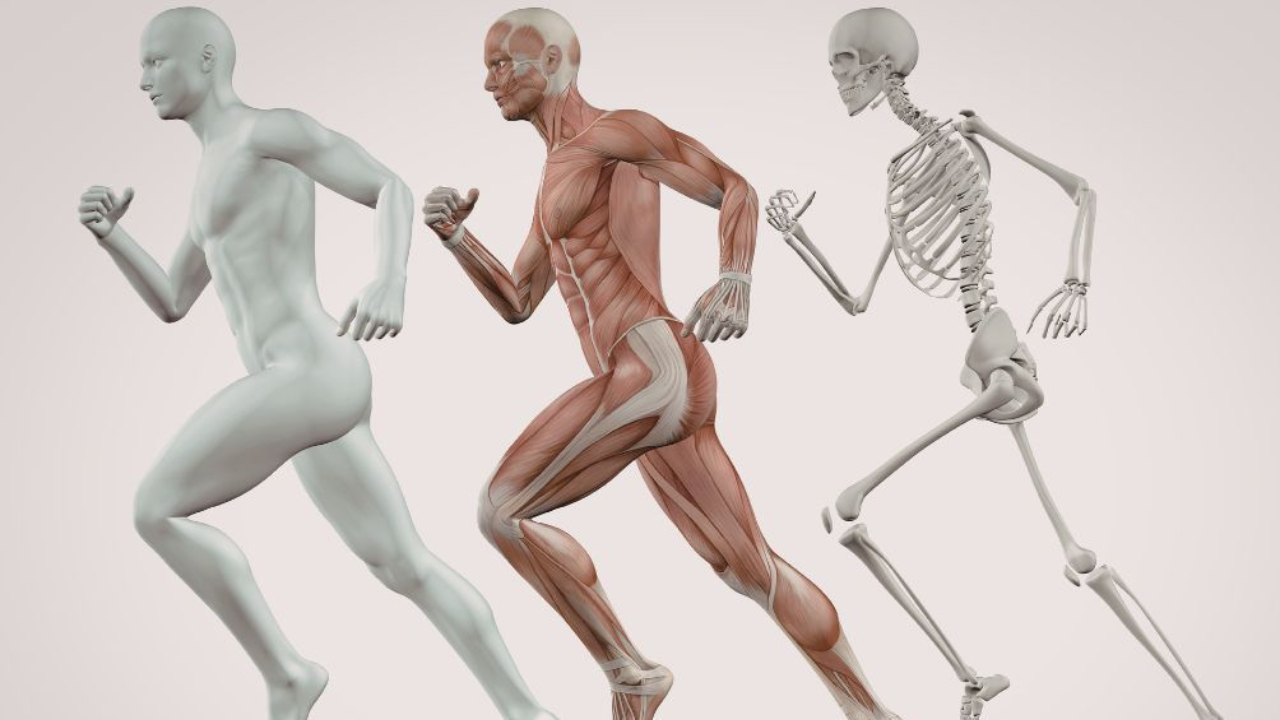
In simpler terms, it’s the study of human movement.
-
“Bio” = living
-
“Mechanics” = movement
As a CPT, this matters because every exercise you program—squats, presses, lunges—happens within specific movement patterns. Understanding these patterns helps you:
-
Coach proper form
-
Prevent injury
-
Design smarter programs
👉 Check out more tips on passing your NASM exam here!
Key Anatomical Terms You Need to Know First
To understand planes of motion, you need a quick grasp of directional terminology. These terms show up everywhere in biomechanics questions.
Position-Based Terms
-
Superior = above
-
Inferior = below
-
Proximal = closer to the center (midline)
-
Distal = farther from the center
Example:
Your shoulder is proximal to your elbow. Your elbow is distal to your shoulder.
Front vs. Back
-
Anterior = front of the body
-
Posterior = back of the body
You’ll often hear “posterior chain” (glutes, hamstrings, back muscles).
Middle vs. Side
-
Medial = toward the middle
-
Lateral = toward the outside
Same Side vs. Opposite Side
-
Ipsilateral = same side
-
Contralateral = opposite sides
Example:
Right hand + right foot = ipsilateral
Right hand + left foot = contralateral
👉 Want more NASM CPT Test Prep tips on biomechanics? We have plenty in our Test Tip of the Day video series!
What Is Anatomical Position?
All movement descriptions start from a universal reference point called anatomical position:
-
Standing upright
-
Feet shoulder-width apart
-
Toes forward
-
Palms facing forward
Every movement in biomechanics is described as a change from this position—which is key for understanding planes of motion.
The 3 Planes of Motion (The Core Concept)
This is where everything comes together.
Planes of motion are imaginary flat surfaces that divide the body and describe how it moves. There are three main planes you need to know for the NASM CPT exam.
1. Sagittal Plane (Forward & Backward Movement)
The sagittal plane divides the body into left and right halves.
Movements in this plane:
-
Flexion (bending)
-
Extension (straightening)
Examples:
-
Squats
-
Bicep curls
-
Running
-
Lunges
Quick Tip:
If the movement goes forward or backward, it’s sagittal.
2. Frontal Plane (Side-to-Side Movement)
The frontal plane divides the body into front and back halves.
Movements in this plane:
-
Abduction (moving away from midline)
-
Adduction (moving toward midline)
Examples:
-
Lateral raises
-
Side lunges
- Jumping jacks
Quick Tip:
If the movement goes side to side, it’s frontal.
3. Transverse Plane (Rotational Movement)
The transverse plane divides the body into upper and lower halves.
Movements in this plane:
-
Rotation (turning)
Examples:
-
Russian twists
-
Golf swing
-
Throwing a ball
Quick Tip:
If the movement involves rotation, it’s transverse.
👉 Looking for further details? We offer full instruction on this, and every other topic for the 7th edition test in our Complete Test Prep Course.
Why Planes of Motion Matter for Personal Trainers
Understanding planes of motion isn’t just about passing the exam—it’s about becoming a better coach.
1. Better Program Design
Most clients move in all three planes in real life—not just forward and backward. A well-designed program should reflect that.
2. Injury Prevention
Training in only one plane (like sagittal-only workouts) can lead to imbalances and increased injury risk.
3. Smarter Coaching
You’ll be able to:
-
Cue movement more effectively
-
Identify compensations
-
Progress or regress exercises appropriately
How This Shows Up on the NASM CPT Exam
You can expect questions like:
-
Identifying which plane an exercise occurs in
-
Matching movements to planes
-
Understanding how anatomical position relates to movement
Pro tip:
Practice all of the positions while you're studying - questions are so much easier if you can draw the answer from the memory of doing the movement!
Final Thoughts
Planes of motion are one of those topics that seem confusing at first—but once you connect them to real exercises, they become much easier to understand (and remember).
Focus on:
-
Direction of movement
-
Starting from anatomical position
-
Real-world exercise examples
If you can do that, you’ll be in a great position for both the exam and your future clients.
If you have similar questions about Overactive/Underactive muscles, this video will help!
Don't miss a beat!
New moves, motivation, and classes delivered to your inbox.
We hate SPAM. We will never sell your information, for any reason.
Author