Osteoporosis Training Guidelines: How to Safely Train at 75%+ Intensity for Bone Growth
Apr 14, 2026Osteoporosis Training Guidelines: How to Safely Train at the Intensity Needed to Build Bone
If you’re working with clients who have osteopenia or osteoporosis, one of the most important—and misunderstood—concepts is this:
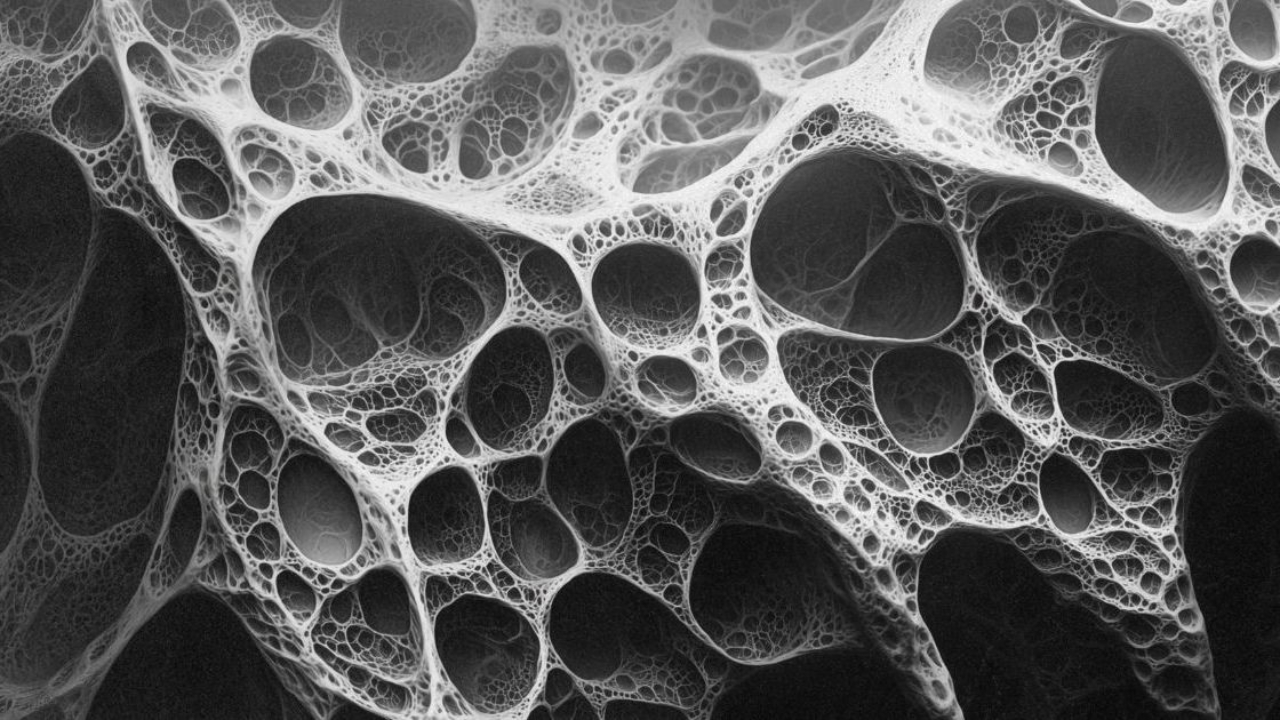
👉 Bone requires high intensity to remodel (grow new cells).
Most trainers instinctively go lighter to “be safe.”
But when it comes to bone health, too little intensity = not enough stimulus to impact bone density.
The key is not avoiding intensity.
The key is learning how to apply it safely and effectively.
👉 We cover osteoporosis and all major special populations in our Mastering Science-Based Program Design Course (1.9 NASM CEUs, 15.0 AFAA)
Understanding Osteopenia vs Osteoporosis
Before programming, it’s important to understand the difference:
- Osteopenia = lower-than-normal bone density
- Osteoporosis = significant bone loss and increased fracture risk
Common contributing factors include:
- Lack of physical activity (especially during peak bone-building years)
- Smoking
- Excess alcohol consumption
- Low calcium intake
The Most Important Rule: Intensity Drives Bone Growth
To stimulate new bone cell growth, research and guidelines consistently point to:
👉 ~75% of 1RM or greater
This is where many programs fall short.
Clients may be:
- Moving well
- Building endurance
- Improving general fitness
…but not creating enough load to stimulate bone remodeling.
The Problem: Strength vs Bone Are Not the Same
This is where education becomes critical.
Many clients (and trainers) think:
- “I’m exercising, so my bones are improving”
But bone adaptation is more like an iceberg:
- The visible part (muscle strength, endurance) improves quickly
- The invisible part (bone density) requires higher, more specific loading
👉 How do I calculate 75% intensity?
How to Explain 75% Intensity to Clients
This concept can feel intimidating—so how you present it matters.
Keep it simple and relatable:
Use real-world examples:
- A gallon of milk weighs ~8.6 lbs
- 75% of that = ~6.5 lbs
This helps clients understand:
👉 “We’re not maxing out—we’re just working at a meaningful level”
Set expectations early:
- Be honest about why intensity matters
- Emphasize safety and progression
- Build confidence gradually
Programming Adjustments for Osteoporosis Clients
Focus on:
- Hips
- Thighs
- Back
- Arms
👉 These areas connect to larger bones, which respond well to loading
Avoid:
- ANY contraindications from their healthcare provider (*even if you believe those movements would be beneficial)
- Excessive spinal loading
- Movements that increase fracture risk
This doesn’t mean “no loading”—it means smart loading.
Use a combination of training styles:
- Functional work (bodyweight, bands, tubing)
- Strength work (machines, controlled resistance)
👉 Both are valuable—but bone needs load
Creative Ways to Train at Higher Intensity (Safely)
This is where great coaching makes the difference.
You can achieve high intensity without compromising safety.
1. Prowler Sled Work
- Walking or marching with resistance (NOT sprinting or even jogging)
- Minimal spinal loading
- High demand on bones
2. Rowing machine
- Full-body engagement
- Controlled environment
- Scalable intensity - power work possible without jumping or impact!
3. SAQ (Speed, Agility, Quickness)
- ***Adapted/modified to client's fitness level - may look NOTHING like an athlete's SAQ drills***
- Footwork drills
- Controlled power development
- Improves coordination + decreases fall risk (*super important with weakened bone structure)
4. Safe Power Training
- Focus on speed with control
- Keep spine stabilized
- Avoid excessive compression
Key Principle:
👉 Big muscles connect to big bones
If you train the major muscle groups effectively, you create meaningful bone stimulus.
👉 Looking for more tips on science-based training? Check out our Strength Training guide.
Working Around Real-World Limitations
Many clients will present with multiple challenges—not just osteoporosis.
Example:
- Osteoporosis in spine
- Knee degeneration (no cartilage)
- Kyphosis
- Hip bursitis
- Core weakness
- Good cardio fitness
This is where programming becomes a balance.
Key Strategies:
1. Train within pain-free range of motion
Never force positions that cause discomfort
2. Prioritize posture and corrective exercise
- Address movement quality first
- Reinforce proper alignment
3. Use the 5 fundamental movement patterns
- Squat
- Hinge
- Upper Body Push
- Upper Body Pull
- Overhead Press
👉 These help distribute load safely and efficiently
4. Use alternative environments (when appropriate)
- Pool training can reduce joint stress
- But may reduce bone-loading stimulus
👉 Understand both the benefits and limitations - use each CREATIVELY (i.e. pool power work)
The Real Challenge: Balancing Safety and Intensity
This is the most important takeaway:
👉 You must juggle two priorities at the same time:
- Safety (joint integrity, posture, pain-free movement)
- Intensity (75%+ for bone remodeling)
Too much focus on safety alone → no bone improvement
Too much intensity without control → increased injury risk
The solution is progressive, intelligent programming.
👉 If you specialize in training special population clients, be sure to check out our CPT Sales and Marketing series, packed with tips and guidelines to maximize success!
How to Progress Clients Safely
- Start with movement quality
- Build foundational strength
- Gradually increase load
- Monitor tolerance and recovery
Over time, clients can safely reach:
👉 Bone-building intensity levels
Final Thoughts
Osteoporosis training is not about avoiding intensity.
It’s about:
- Understanding what bone actually needs
- Applying load strategically
- Coaching with precision
If you can do that, you’re not just helping clients feel better—you’re helping them build stronger, more resilient bodies.
Looking for further education?
If you want a step-by-step breakdown of how to program for special populations (including osteoporosis), check out:
👉 Our Mastering Science-Based Program Design Course (1.9 NASM CEUs, 15.0 AFAA)
👉 Our "Day in the Life of a Personal Trainer" interview series
👉 How to Design Strength Training Programs article
Don't miss a beat!
New moves, motivation, and classes delivered to your inbox.
We hate SPAM. We will never sell your information, for any reason.
Author